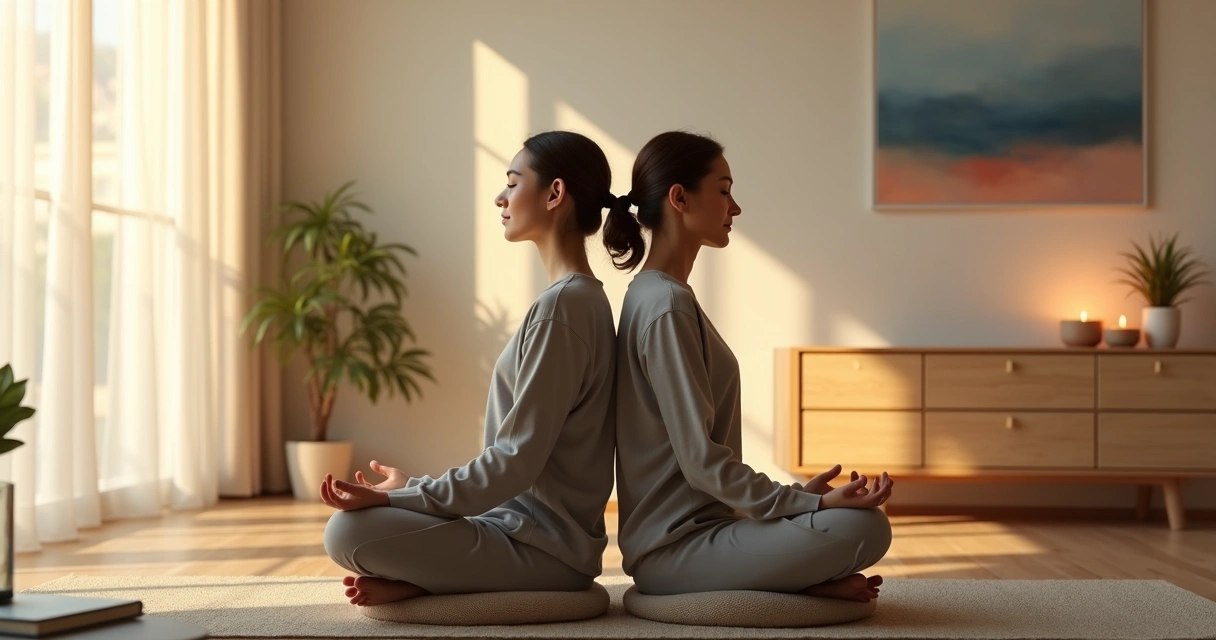


Mindfulness is the practice of noticing what is happening now, including thoughts, emotions, bodily sensations, and your surroundings, without immediately judging or reacting to it. It can be practiced in a brief meditation or during an everyday task. The goal is not to empty your mind or force calm, but to respond with more awareness and choice.
Key ideas to remember
- Mindfulness trains attention to return to present experience, rather than requiring perfect concentration.
- Thoughts and feelings can be noticed without treating them as facts or commands.
- A few deliberate minutes can make an ordinary activity a practical starting point.
- Research suggests potential benefits, but mindfulness is not a cure-all or a substitute for appropriate care.
What does mindfulness mean beyond feeling calm?
Mindfulness means intentionally noticing present experience with openness, including when that experience is uncomfortable. The American Psychological Association’s overview describes how this approach can help people observe thoughts and emotions without automatically reacting to them.
That distinction matters: calm may happen, but it is not the test of success. You might notice restlessness, sadness, or a racing mind and still be practicing. Mindfulness is also broader than meditation. Meditation is one way to train attention, while mindful awareness can be used as you listen, walk, eat, or make a decision. The distinction between mindfulness and conscious presence can help clarify how a momentary practice relates to a wider way of engaging with life.
How can you practice mindfulness in three minutes?
Choose one simple anchor and return to it whenever your attention wanders. Try this short exercise seated comfortably or standing in a safe place:
- Pause: Notice that you are here. Let your eyes stay open or close them if that feels comfortable.
- Feel: Notice the contact of your feet with the floor, your hands, or the chair supporting you.
- Listen: Identify a sound nearby and a sound farther away without needing to name their source.
- Notice: If a thought or feeling appears, acknowledge it briefly, then return to a sensation or sound.
- Continue: Take one ordinary next step with attention, rather than grading the exercise.
There is no need to control your breathing or make every thought disappear. If focusing inward feels uncomfortable, use an external anchor, such as colors in the room or the sounds around you. Practicing attention during a familiar task can be an easier entry point.

How can you bring mindful attention into daily life?
Attach brief moments of awareness to activities you already do. While making tea, notice the cup’s warmth, the sound of pouring water, and the aroma. While walking, feel your steps and notice the environment. During a conversation, listen to the other person’s words before planning your reply.
These small pauses help you recognize when you are acting on autopilot. For example, noticing tension before answering a stressful message may give you a moment to choose a response that fits your intention. Explore practical ways to use present awareness to find more everyday prompts, or use an emotional self-regulation practice when feelings are especially strong.
What can mindfulness help with, and what can’t it promise?
Mindfulness-based programs may support well-being and help some people manage symptoms, but results depend on the person, program, and concern. The National Center for Complementary and Integrative Health summarizes an analysis of more than 12,000 participants with diagnosed psychiatric disorders: mindfulness-based approaches were more helpful than no treatment for anxiety and depression, and performed similarly to evidence-based treatments in that analysis. That finding does not mean every practice works equally well for everyone.
The same NCCIH evidence and safety summary notes that research varies in quality and that meditation can have unwanted effects. A 2020 review it describes found negative experiences in about 8 percent of participants across 83 studies, with anxiety and depression among the most commonly reported. Treat practice as a support, not a guarantee, and do not use it to delay professional care.
What if being present feels difficult?
Difficulty staying present is common, especially during stress, fatigue, or emotional overload. The aim is not to stop thoughts, but to recognize what attention is doing and gently choose a next focus. If worries pull you into the future, label the pattern quietly, then notice one concrete thing you can sense right now.
If inward focus intensifies distress, adapt the practice. Keep your eyes open, use sounds or objects in the room as anchors, shorten the exercise, or move while noticing your steps. You can also stop. People with a history of trauma or ongoing mental health concerns may prefer to practice with support from a qualified clinician.
How can you build a sustainable practice?
Make the routine small enough to repeat and connect it to an existing cue. For example, take three attentive breaths after sitting at your desk, or notice your feet before opening your front door. A simple plan reduces the pressure to find a perfect time or achieve a special state.
- Choose one reliable daily cue.
- Begin with two or three minutes, or less if that feels better.
- Use the same anchor for a week, then adjust based on what you notice.
- Measure success by returning to the practice, not by feeling calm.
Mindfulness is useful when it helps you see experience more clearly and make a more deliberate next move. Keep the practice flexible, and let its value show up in everyday choices, not just in how meditation feels.
Frequently asked questions
How can I stay present and stop worrying about the future?
When you notice your mind moving into a future worry, name what is happening gently, such as planning or predicting, then bring attention to one present cue: your feet on the floor, a sound, or a slow exhale. You do not have to solve the worry immediately; return to the next useful step.
Does mind wandering mean I am doing mindfulness wrong?
No. Mind wandering is a normal part of attention, not proof that you are failing. The practice is noticing that attention has drifted and choosing where to place it again. Each gentle return is part of the exercise, whether you use the breath, sounds, or another anchor.
How long should a beginner practice mindfulness?
Start with two or three minutes, once a day, and choose a repeatable cue such as sitting down before breakfast. A short practice you can sustain is more useful than an ambitious routine that feels like another demand. You can gradually extend the time if it feels supportive.
What is the difference between mindfulness and meditation?
Mindfulness is a way of paying attention to present experience with openness and less automatic judgment. Meditation is one structured way to practice it, often by focusing on breathing, sounds, or bodily sensations. You can also use mindful attention during ordinary activities such as walking, eating, or washing dishes.
Can mindfulness make anxiety worse?
It can. For some people, quiet attention to thoughts or bodily sensations may increase anxiety or bring up difficult experiences. Try keeping your eyes open, focusing on external sounds, or practicing briefly while walking. Stop if distress grows, and consider guidance from a qualified mental health professional.