
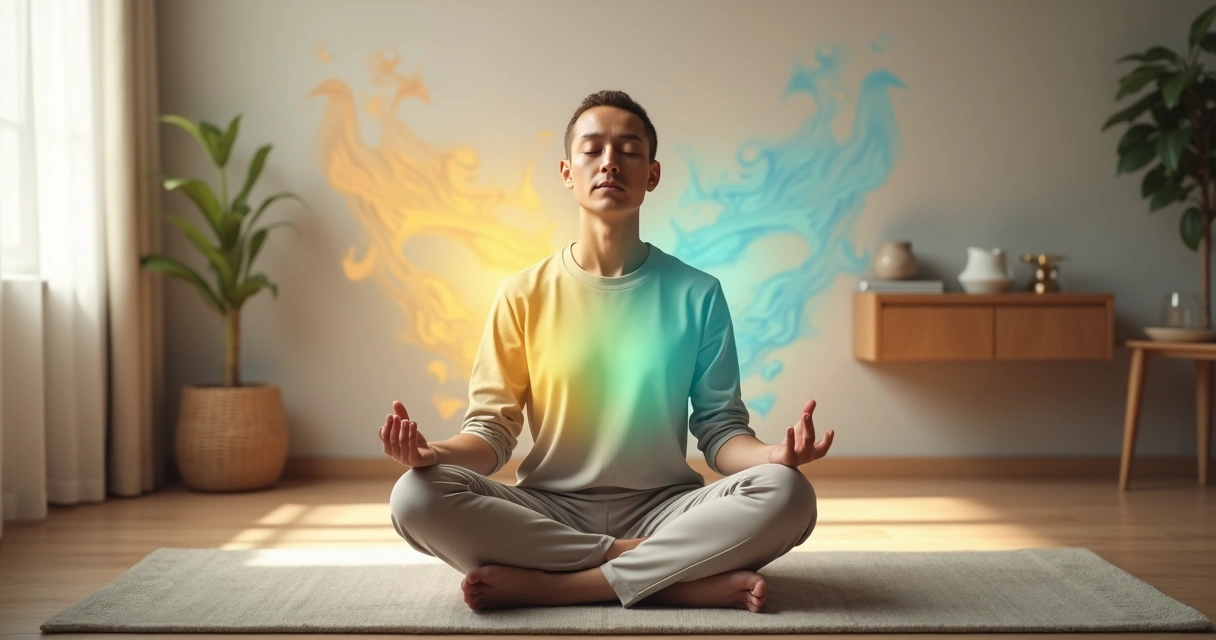
In our daily lives, emotions shape almost everything we do. They influence how we react to stress, engage in relationships, and make choices. Sometimes emotions rise like waves—fast, strong, and overwhelming. At other times, they simmer quietly in the background, shifting our mood in subtle ways. Most of us have experienced moments where strong emotions led us to react quickly, only to regret it later. We have also felt the relief of regaining calm, clarity, and balance. What if we could train this capacity? What if emotional self-regulation was a skill we could nurture every day?
We believe meditation offers a practical, step-by-step way to achieve this. Meditation is not only about sitting still and trying to empty the mind. It is a tool, deeply grounded in human experience, that helps us become more aware of our feelings and develop new responses to them. In this guide, we share the foundational elements of emotional self-regulation through meditation, practical steps to start, and advice to make this process meaningful and lasting.
Understanding emotions and self-regulation
Before looking at practical tools, we need to understand what we mean by self-regulation. Emotions are natural reactions to the environment, people, and our internal dialogue. They can guide us, but sometimes, if not managed, they can also lead us into old patterns or reactivity.
We do not control every emotion, but we can choose how we respond.
Emotional self-regulation is the ability to recognize, understand, and influence our emotional responses in a healthy way. This is not about avoiding or repressing emotions, but learning to experience them without losing our balance or sense of openness. We consider self-regulation to be the bridge between awareness and behavior.
- It helps us notice when emotions arise.
- It supports us in creating a pause before reacting.
- It leads to choices aligned with our values and intentions.
Meditation, practiced with this mindset, becomes a training ground for emotional self-regulation.
How meditation shapes our emotional responses
We have found that meditation works with emotions in several ways. It creates a space of observation, where we can look at feelings as if from a distance. This changes our relationship to them—we are not as swept away by sudden anger, frustration, or worry. Instead, we can notice, feel, and respond with more intention.
Some common effects anyone can notice over time with meditation include:
- Increased emotional awareness
- Reduced emotional reactivity
- Greater sense of calm in difficult moments
- Ability to pause before reacting
- More compassionate understanding of self and others
This is a process, not a quick fix. Each session of meditation acts as a small act of self-training, building neural pathways that support a healthier pattern of reaction and reflection.
The foundations of meditative self-regulation
Not all meditation styles are the same. For emotional self-regulation, we have seen the greatest benefit from practices that involve conscious presence, body awareness, and reflective observation. Here are some foundational practices:
Body scan and grounding
Bringing focused attention to the sensations in the body is a powerful entry point. When we notice a tight chest, clenched jaw, or restless feet, we awaken awareness of early emotional cues. Grounding helps us reconnect to the present moment, especially when emotions feel too strong. We often recommend sitting with feet on the floor and noticing the support below. This creates safety—a felt sense of having support in the here and now.
Breath awareness
Breath is always present, always available. When emotions rise, shifting our attention to the breath can act as a natural anchor. Slow, gentle breathing is associated with calming activation in the nervous system. We have used simple breathing cycles to help interrupt escalating emotional reactions and to soothe tension during daily challenges.
Open monitoring and reflective observation
This step involves allowing thoughts and emotions to arise without judgment, naming them silently: "anger is here", "sadness is present". Practicing this non-judgmental awareness leads to a more open, accepting relationship with the full range of our feelings.
Practical steps to get started
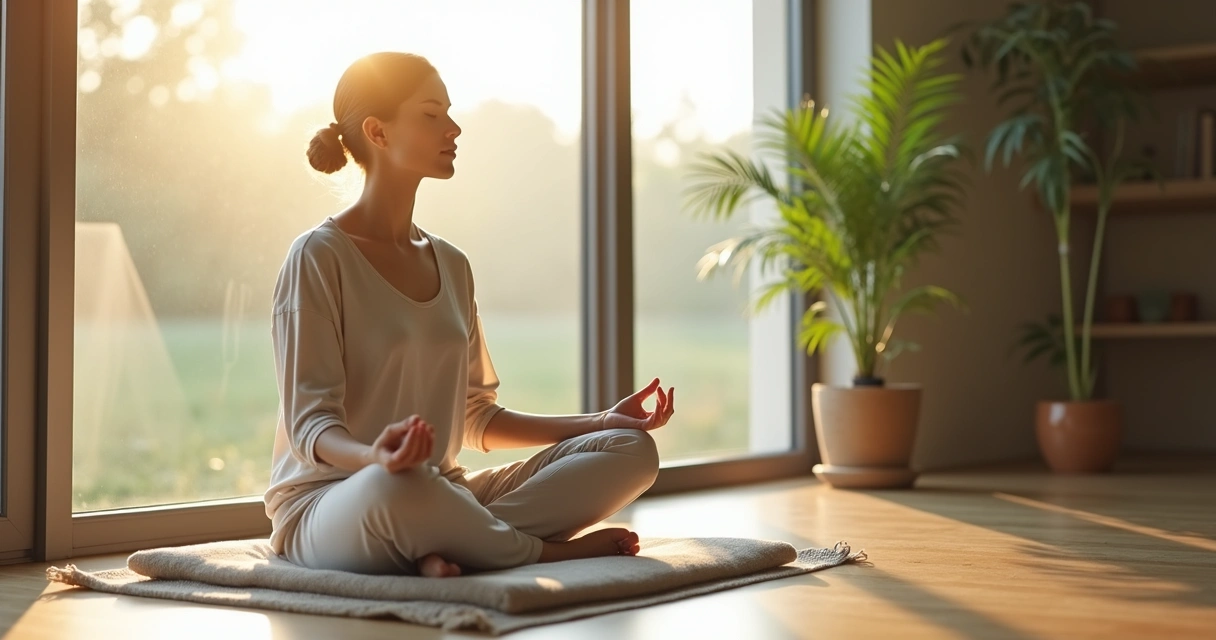
While everyone’s life is unique, we have noticed a few steps that help most people begin their meditation practice for emotional self-regulation:
- Choose a consistent space and time. Select a place with minimal distractions, and dedicate even five minutes a day at first.
- Adopt a comfortable posture. You can sit on a cushion, chair, or even lie down. Keep the spine straight but not rigid.
- Begin with grounding or breath awareness. Feel your body supported, notice your breathing, and gently welcome whatever sensations arise.
- Notice emotions as they come. Instead of pushing feelings away or clinging to them, name what is present. Example: "There is anxiety."
- Welcome, observe, and let emotions pass. Notice the changing nature of feelings, like clouds passing in the sky. If you feel overwhelmed, focus on grounding again.
- Close with gratitude or a gentle acknowledgment. Thank yourself for attending to your emotional world, and gently return to daily life.
We find that keeping the structure simple is best, especially as you build the habit. Over time, this practice becomes more intuitive and adaptable to daily events.
Building a long-lasting habit
Starting a new practice often brings enthusiasm, but sustaining it requires understanding how habits are formed. We have helped many people create lasting meditation routines using these strategies:
- Start small. Even two or three minutes daily can bring changes.
- Link meditation to a regular activity (after waking up, before meals, or before bed).
- Keep expectations gentle. It is normal for the mind to wander; noticing this is part of the training.
- Journal after sessions about emotional changes or insights.
- Celebrate consistency, not perfection. Progress comes from repetition, not flawless practice.
When challenges arise
No practice is without difficulty. Sometimes intense emotions surface. We have had moments where a simple session brought up sadness, frustration, or even restlessness. These are not signs of failure. In fact, they are indications that we are building awareness.
When you feel challenged, return to the body and the breath. Use grounding as your support. It is also wise to pause if a session feels overwhelming, and to connect with someone you trust if needed. We have seen growth comes not from avoiding discomfort, but from learning to be present with it, one step at a time.
Conclusion
Based on our experience and observation, meditation is not mystical or mysterious. It is a practical, repeatable way to build emotional self-regulation. Each small session is a step toward greater awareness, choice, and calm in daily life. The journey may begin as an experiment, but as our capacity grows, we find ourselves responding with more wisdom, softness, and resilience.
Pause. Notice. Respond.
You already have everything needed to begin. Your breath, your body, and your willingness to pay attention are enough.
Frequently asked questions
What is emotional self-regulation in meditation?
Emotional self-regulation in meditation is the skill of observing and managing emotional reactions as they arise, developing awareness and choice rather than reacting automatically. This process helps us notice, feel, and understand emotions, so we respond to daily situations with more calm and intention.
How can meditation help with emotions?
Meditation helps by creating a space to observe your emotions without judgment, giving you time to pause, reflect, and choose your response. It builds the habit of awareness, supports emotional balance, and reduces the impact of strong emotional triggers over time.
What are the best meditation techniques?
Body scan, breath awareness, and open monitoring (observing thoughts and feelings without judgment) are very effective for emotional self-regulation. Different people may respond better to different techniques, but these three offer a strong foundation to start and build upon.
How often should I meditate for results?
We recommend practicing daily if possible, even for just a few minutes. Consistency matters more than duration for building the habit and experiencing progress. Many people notice benefits with five to fifteen minutes a day after a few weeks.
Is it worth it to try meditation?
Yes, it is worth trying meditation because the benefits extend beyond emotional self-regulation into overall well-being, clarity, and life satisfaction. Even short, regular sessions can help you respond to life’s challenges with more calm and resilience.