

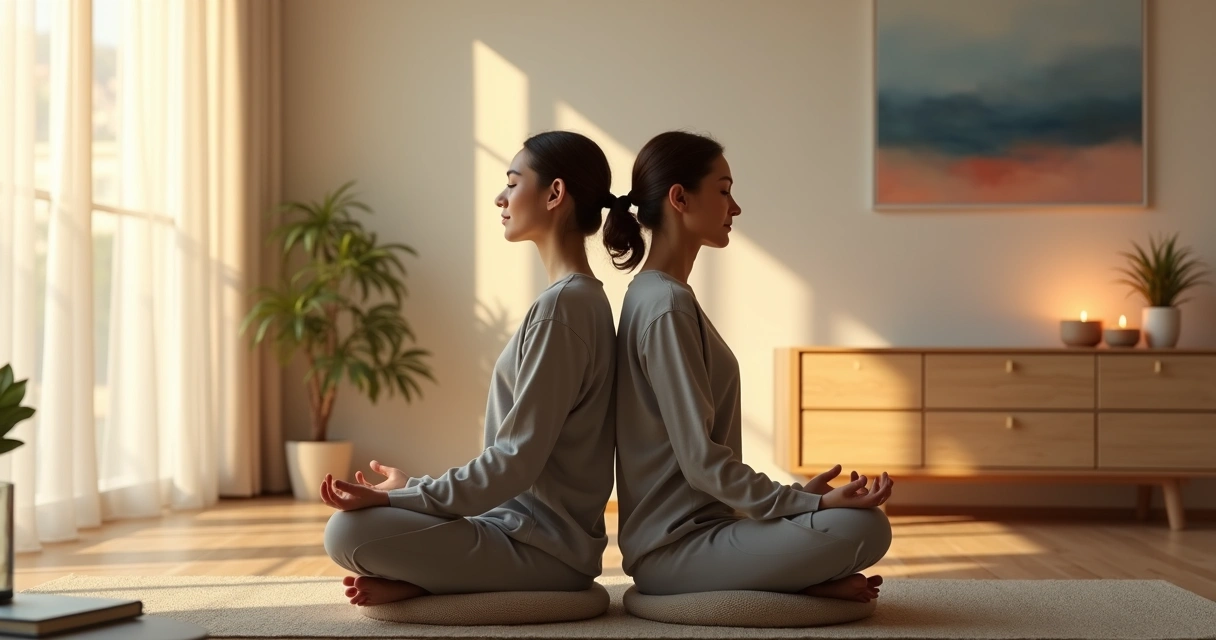
After conflict, silence can feel loud. We may replay words, tighten our jaw, and carry whole conversations in the body for days. In our experience, healing after an argument, betrayal, breakup, or family rupture does not begin when the other person changes. It begins when we learn to sit with what the conflict stirred in us.
Meditation for post-conflict healing helps us calm the body, name emotions, and respond with more awareness.
This does not mean we excuse harm. It does not mean we force peace too soon. It means we stop feeding the inner storm long enough to hear what is true.
We have seen this often. A person says, “I am over it,” yet their sleep is poor, their chest is tight, and one message can upset the whole day. The conflict may be over on the outside, but inside it is still active. Meditation gives us a way to meet that unfinished reaction with honesty.
Why conflict stays in the body
Most people think conflict is only mental. We think that is too small a view. Conflict lands in thoughts, yes, but also in breathing, muscle tension, heart rate, appetite, and attention. Even after the event, the nervous system may stay alert, as if it is still preparing to defend, explain, or withdraw.
Emotional healing starts when we notice that the body is still trying to finish what the mind cannot solve alone.
This is one reason meditation helps. Research gathered in evidence on meditation and mindfulness found reductions in trauma-related symptoms across several studies, showing that these practices can support emotional recovery after distress. We should be careful not to promise instant relief, but we can say this with confidence: a steady practice changes how we hold pain.
What is felt can be healed.
What meditation can do after a painful clash
When emotions are raw, many people want one of two things. They want to forget fast, or they want to keep proving they were right. Neither path usually heals much. Meditation offers a third path, where we stay present without becoming trapped.
In practical terms, meditation can help us:
- Slow physical stress after a difficult interaction
- Observe anger, shame, guilt, or grief without acting on impulse
- Reduce repetitive mental replay
- See our part in the conflict without harsh self-attack
- Create space before the next conversation or decision
This space matters. A short pause can stop a second wound from being added to the first one.
How to begin when emotions are still intense
Right after conflict, long meditation may feel impossible. That is normal. We do not need a perfect session. We need a workable one.
Start with a simple sequence:
- Find a place where you can sit without interruption for five to ten minutes.
- Place both feet on the floor or sit with your legs supported.
- Breathe in through the nose gently and let the exhale be a little longer.
- Name what is present with plain words, such as “anger,” “hurt,” “fear,” or “confusion.”
- Notice where that feeling lives in the body.
- Stay with sensation, not the whole story.
That last point is often the hardest. The mind wants to reopen the case. It wants details, speeches, and imagined endings. We think healing gets more real when we return from the story to the body.

Best meditation approaches for emotional repair
Not every meditation style fits every moment. After conflict, we usually suggest methods that bring steadiness first, then insight.
A few work very well:
- Breath awareness for settling the nervous system and reducing reactivity.
- Body scan for finding where hurt or anger is being held physically.
- Loving-kindness meditation for softening bitterness over time, without denying boundaries.
- Open monitoring for observing thoughts and feelings without grabbing onto each one.
We often suggest beginning with breath awareness for a week before adding deeper reflective work. When people start with insight too early, they sometimes end up thinking more, not healing more.
A short story makes this clear. Someone sits to meditate after a harsh family exchange. In two minutes, the mind writes a full defense speech. In four minutes, it builds a future argument. In six minutes, the body is tense again. Then the person shifts attention to breathing and the pressure behind the eyes. For the first time that day, they do not argue with the feeling. They simply stay. That is not dramatic. But it is a turning point.
What to do if strong feelings rise
Meditation can uncover emotion that was pushed down. Tears may come. So may anger or shaking. This does not mean the practice is failing. It may mean the body finally feels safe enough to release.
If this happens, we can keep the process grounded:
- Open the eyes and look around the room
- Press the feet into the floor
- Shorten the session
- Place a hand on the chest or abdomen
- Return to counting breaths from one to five
Meditation should help us stay present with emotion, not drown in it.
If the conflict involved trauma, abuse, or severe distress, extra support may be needed. Meditation can still be part of healing, but it should be paced with care.

Turning meditation into a healing practice
One session can help, but healing after conflict usually asks for rhythm. We do not need a heroic routine. We need consistency.
We suggest a simple weekly structure:
- Five to ten minutes daily of breath or body awareness
- One longer session, around fifteen to twenty minutes, for deeper emotional observation
- A short written reflection after meditation, using one sentence only
That final sentence can be very simple. “I still feel dismissed.” “I feel sad under the anger.” “I do not need to answer today.” Clear words help the mind stop circling.
It also helps to set an intention before sitting. Not a demand. Just an intention. We may say, “Today, we are here to listen,” or “Today, we are here to soften the body.” Small phrases guide the practice without pressure.
When forgiveness is not the first step
Many people ask if meditation should lead to forgiveness. Sometimes yes. Sometimes not yet. In our view, healing should not be rushed into a moral performance. Real forgiveness, when it comes, grows from truth, not denial.
Sometimes the first healing step is not forgiveness but clarity. We see what happened. We see what it touched in us. We see what boundary was crossed. Meditation supports this kind of clear seeing.
Peace is not denial.
And sometimes the shift is quiet. We stop rehearsing revenge. We stop begging for a different past. We feel pain, but we are no longer organized by it.
Conclusion
Post-conflict emotional healing is not about erasing memory. It is about changing our relationship with what happened. Meditation helps us slow down, feel honestly, and recover inner order after emotional disruption.
When we practice with patience, we begin to notice a subtle but deep change. The conflict no longer controls the whole inner space. We can breathe again. We can think more clearly. We can choose our next step with more maturity.
Healing through meditation is less about escaping pain and more about meeting it with steadiness.
Frequently asked questions
What is meditation for emotional healing?
Meditation for emotional healing is a practice of sitting with awareness so we can calm stress, observe feelings, and process inner pain without avoiding it. It helps us relate to hurt, anger, grief, or fear in a steadier way.
How can meditation help after conflict?
After conflict, meditation can reduce physical tension, slow repetitive thoughts, and create space before we react again. It helps us notice what the conflict stirred in the body and mind, which supports clearer responses and emotional repair.
What are the best meditation techniques?
For post-conflict healing, breath awareness, body scan, loving-kindness meditation, and open monitoring are often the most helpful. Breath work is usually the easiest place to start because it settles the system quickly and simply.
How often should I meditate to heal?
We suggest practicing for five to ten minutes each day, with one slightly longer session during the week. Regular practice tends to help more than rare long sessions, because the nervous system learns through repetition.
Is it worth it to try meditation?
Yes, it is worth trying if we want a grounded way to heal after conflict. Meditation does not remove pain at once, but it can help us hold pain with more calm, insight, and self-control over time.