
Being a parent can feel overwhelming. The days are full, emotions run high, and there is often little time for personal care. We have seen how easy it is to get caught in cycles of stress, rushing, and scattered attention. Marquesian meditation offers a fresh approach—quiet, practical, rooted in daily life—designed to help parents regain presence and emotional balance.
Why parents can benefit from Marquesian meditation
Modern parenting often brings a sense of urgency. We are expected to manage not only schedules and care but also the emotional rhythm of our family. When we lose our center, that tension ripples outwards. We believe meditation works best when it is simple, actionable, and tailored to real life, not a distant or mystical escape.
Marquesian meditation is a practice of conscious attention, promoting emotional integration, self-regulation, and authentic connection with those around us. It is not about perfection or detachment but about learning to stay steady in the face of daily challenges.
When we are present, our children feel safe.
Through our research and observation, we have noticed some clear benefits for parents:
- Less reactivity and better emotional regulation
- Stronger connection with children and partners
- Clearer decision-making in stressful moments
- More energy and access to joy, even during tough times
The secret is not in the length or complexity of the practice but in its integration into life’s real moments.
What makes Marquesian meditation unique for parents
Many forms of meditation focus on escape or emptying the mind. Marquesian meditation is different. We focus on:
- Applied attention: Meditation supports us as parents in real situations—not just in a quiet room, but in the heart of family life.
- Emotional organization: Instead of suppressing feelings, we learn to name and “hold” them, reducing inner confusion.
- Practical spirituality: No dogmas or rituals—just a method that works whether you are spiritual, skeptical, or somewhere in between.
This style of meditation asks us to bring awareness to small acts and choices throughout the day. It is not limited to seated silence; it can happen while making breakfast, listening to a child’s story, or even during bedtime routines.
How does Marquesian meditation work?
In our experience, the practice is built around three intertwined steps:
- Presence: We train our attention to fully inhabit the moment, without distraction or judgment.
- Emotional observation: We notice what we feel, naming emotions gently, without trying to fix or escape them.
- Reintegration: We breathe, accept, and return to what matters—often with a new sense of clarity or calm.
The process is gentle. We do not force silence or push away thoughts. Instead, we meet what is present, acknowledge it, and invite a sense of integration.

For parents, this method is practical and forgiving. Even three minutes can make a difference.
Starting out: Marquesian meditation step by step
Getting started does not require a special room or schedule. Here is how we suggest beginning:
- Find a regular micro-moment. Choose a recurring daily time that feels possible—waking up, after dropping children at school, or before bed. It is better to start small and repeat often.
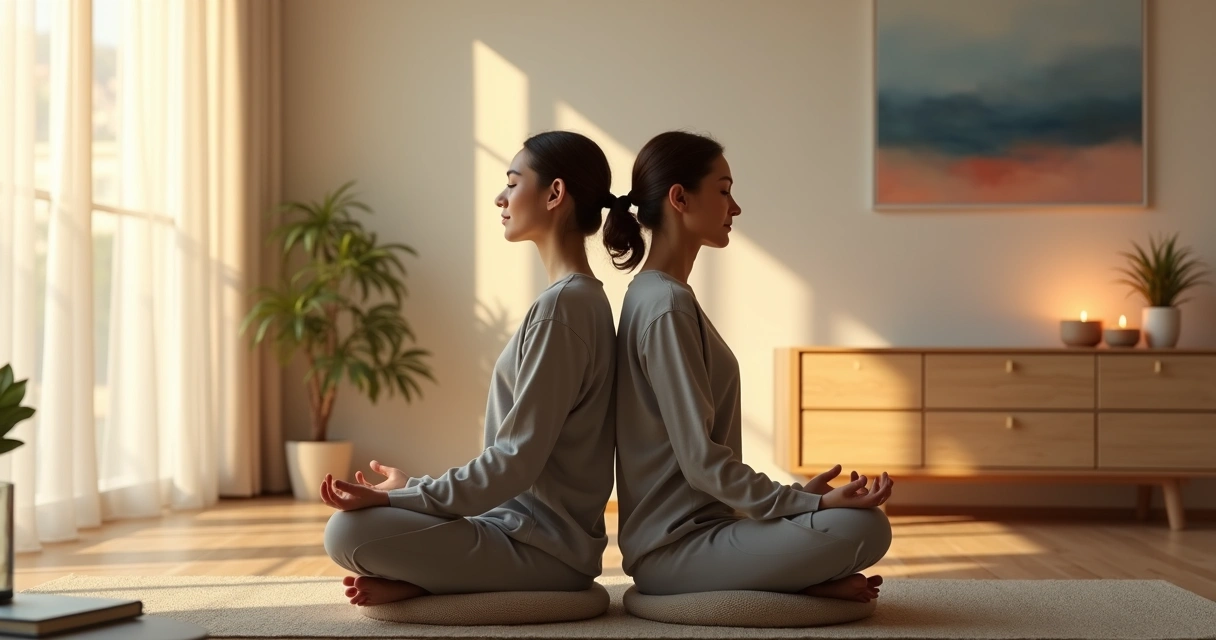
- Get comfortable. Sit in a chair, on your bed, or the floor, feet on the ground if possible. Rest your hands loosely.
- Breathe naturally for one minute. Simply notice air entering and leaving your body. If thoughts or worries appear, label them gently in your head: “Worry,” “Memory,” “Planning.”
- Scan for emotion. Ask quietly: What do I feel right now? Name emotions silently. You might find anger, tiredness, gratitude, impatience, or something else. Allow it to be there.
- Stay with whatever is present. If you feel a strong sensation, place a comforting hand on your chest or stomach. Breathe and accept, without pushing it away.
- End with intention. Before you get up, ask: What do I most want to bring to the next part of my day? It can be “patience,” “listening,” “gentleness,” etc.
There is no need to fix, judge, or analyze during meditation. The goal is acceptance and gentle awareness.
Gentle awareness brings clarity. Clarity brings freedom.
Troubleshooting common obstacles
In our experience, parents often face these challenges when beginning:
- “I can’t find time.” Pick the smallest moment. Even two minutes after brushing your teeth can start to rewire your day.
- “My mind is too busy.” Minds wander. That is not failure. The practice is noticing and returning, again and again.
- “I fall asleep or get restless.” Sit up straight; open your eyes if needed. Accept that energy levels change daily.
- “My emotions feel overwhelming.” Name them, breathe, and remind yourself you do not have to solve them now.
What matters most is consistency, not intensity. Small moments practiced often change patterns over time.
Bringing Marquesian meditation to family life
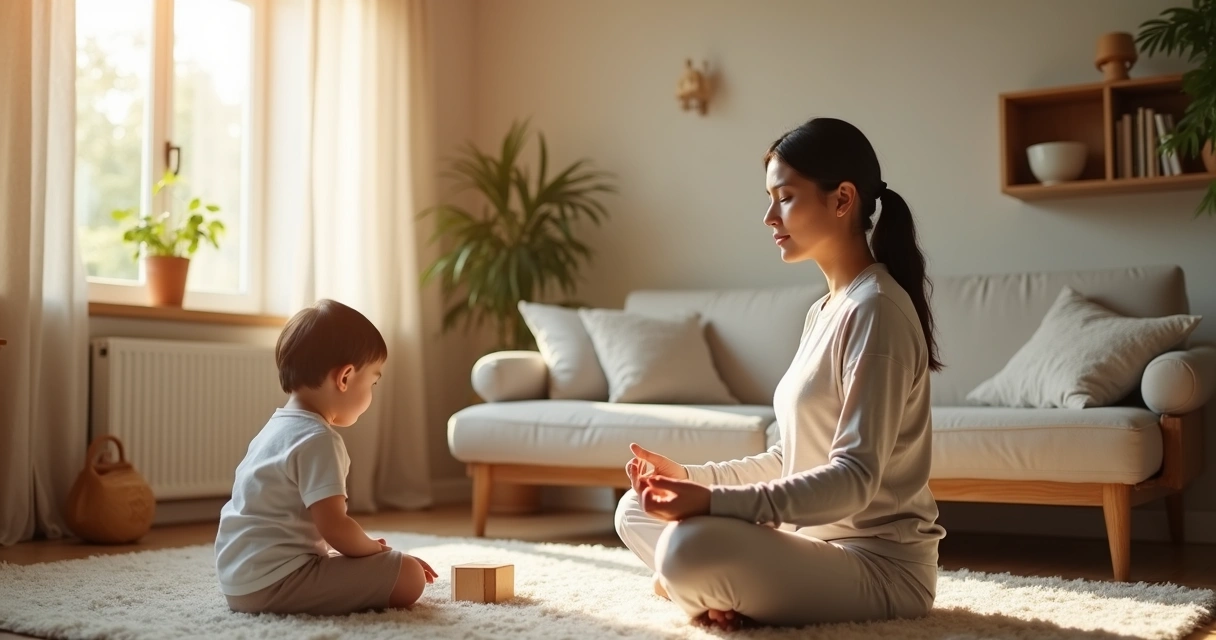
Once parents become familiar with the basic method, we often notice new opportunities for meditation with family. Children naturally respond to presence. While the method starts as an individual practice, it can extend to the whole house.
- Invite children to join in a few deep breaths before meals or bedtime
- Share a “check-in” moment—ask, “How does your heart feel right now?”
- Model gentle self-talk and relaxed attention during stressful times

Younger children may not sit for structured meditation time but often copy what they see. Older children and partners may appreciate a few quiet minutes together, especially during transitions or after a busy day.
Conclusion: Building a new foundation
We have witnessed the shifts that Marquesian meditation brings: less stress, more space between reactions, and a deeper sense of enjoyment in the everyday tasks of parenting. The change is gradual, woven day by day.
Marquesian meditation is not about escaping parenting—it is about being fully present for it. With a little daily practice, parents can rediscover clarity, connection, and inner steadiness for themselves and their families.
Presence is the greatest gift we can offer our children, and ourselves.
Frequently asked questions
What is Marquesian meditation for parents?
Marquesian meditation for parents is a practical approach to developing present-moment awareness and emotional balance in the midst of daily family life. It uses conscious attention and gentle self-observation, aiming to help parents respond—not react—to the challenges and joys of raising children.
How do I start Marquesian meditation?
To start, choose a regular time—morning, evening, or another micro-moment—sit comfortably, notice your breath, gently name emotions that arise, and finish by setting an intention. No special environment or advanced skills are required. Consistency and acceptance are key.
Is Marquesian meditation good for stress?
Yes, Marquesian meditation is effective for reducing stress, especially for parents who face many daily pressures. By bringing attention to the present, it helps regulate emotional responses and fosters a greater sense of calm, even in chaotic moments.
How much time does it take daily?
You can begin in just two or three minutes a day. Many parents find that even brief regular sessions can make a noticeable difference over time. As the practice fits more naturally into your daily routine, you may choose to extend the duration.
Can children join Marquesian meditation sessions?
Children can join Marquesian meditation sessions in age-appropriate ways, such as simple breathing together, checking in with feelings, or sharing calm moments at home. The family benefits when everyone experiences the practice in a way that suits their stage of development.