
We often hear that meditation calms the mind. That is true, but it is only part of the story. Neuroscience shows something deeper. Meditation does not just make us feel better for a few minutes. It can train the brain systems that help us pause, notice, and choose our response with more care.
Meditation supports self-regulation by strengthening attention, emotional balance, and awareness of inner states.
That matters because self-regulation shapes daily life. It appears in the moment we stop ourselves from sending a harsh message. It appears when we feel stress rising and do not let it run the whole day. It appears when we stay present in a hard talk instead of shutting down.
In our view, this is where meditation becomes practical. It is not only about silence. It is about training the mind to stay steady under pressure.
What self-regulation really means
Self-regulation is our ability to manage thoughts, emotions, impulses, and actions in a way that fits our values and the situation in front of us. It is not suppression. It is guidance.
When self-regulation is weak, we tend to react fast and reflect later. Many of us know that feeling. The body tightens. The mind narrows. A small trigger starts to feel very large.
Pause changes behavior.
Neuroscience helps explain why this happens. Different brain networks work together to read what is going on, detect threat, focus attention, and guide action. Under stress, these systems can become less balanced. Meditation appears to help restore that balance over time.
In simple terms, meditation trains us to notice experience without being pulled by every thought, urge, or fear.
What the brain is doing during meditation
When we meditate, several processes begin to shift. We are not turning the brain off. We are changing how it relates to attention and emotion.
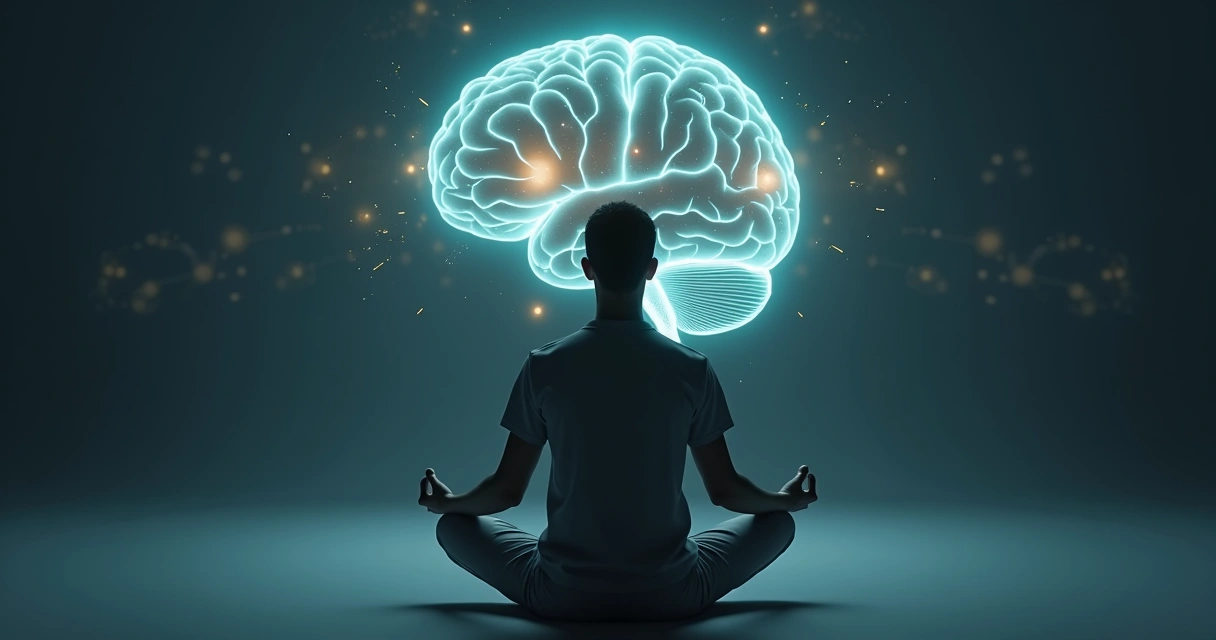
Researchers often focus on a few brain areas linked to self-regulation:
The prefrontal cortex, which helps with planning, restraint, and decision-making.
The anterior cingulate cortex, linked to attention control and error monitoring.
The insula, which helps us sense what is happening inside the body.
The amygdala, known for its role in threat detection and emotional reactivity.
Regular meditation seems to improve how these systems coordinate, especially when we face stress or distraction.
That does not mean a person becomes cold or detached. In fact, many people report the opposite. They still feel deeply, but they are less likely to be taken over by the first wave of emotion.
We can think of it like this: the feeling still arrives, but the mind gains a little more space around it.
What studies suggest about long-term practice
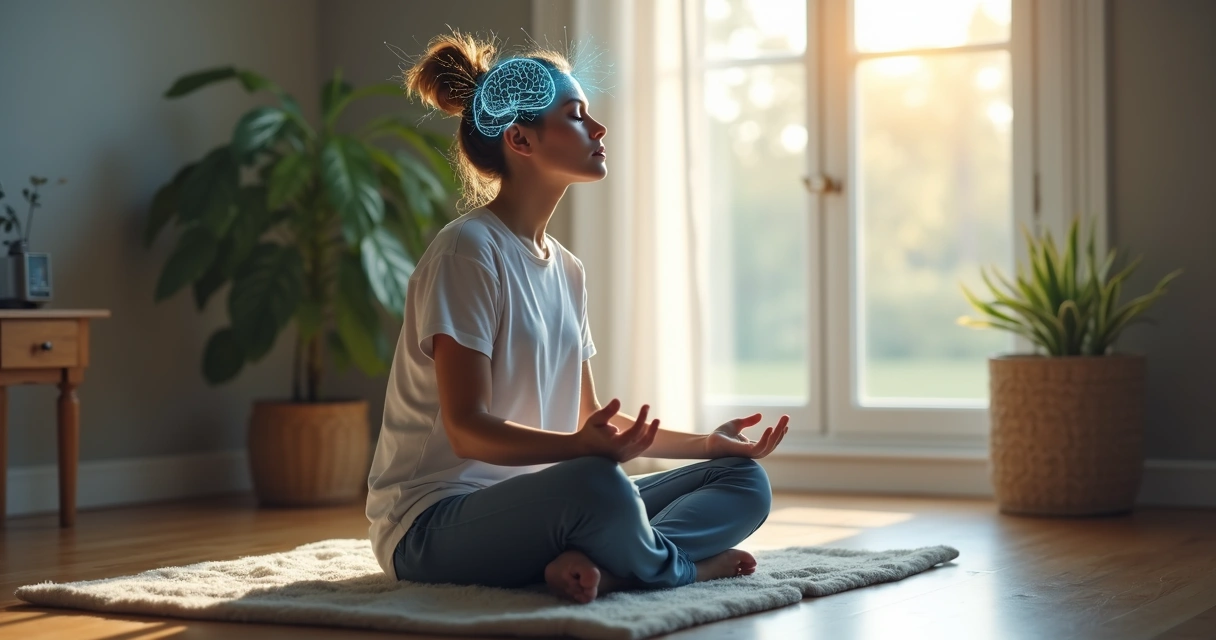
One of the most interesting findings in this field is that long-term meditation may be linked to structural and metabolic differences in the brain. A study of elderly expert meditators and elderly controls found higher gray matter volume and or glucose metabolism in regions such as the ventromedial prefrontal cortex, anterior cingulate cortex, insula, temporoparietal junction, and posterior cingulate or precuneus in the meditator group.
These areas are tied to self-awareness, emotional regulation, and perspective-taking. The findings suggest that meditation may help soften age-related decline in systems linked to self-regulation.
We should be careful, of course. One study does not settle the whole question. Sample sizes can be small, and human behavior is never shaped by one habit alone. Still, the direction is meaningful. It points to meditation as a form of mental training with visible effects in the brain.
That idea changes how we see practice. We are not just trying to feel calm on a hard day. We may be shaping the very circuits that help us respond with more maturity over the years.
Why attention training changes emotional reactions
Attention is often the first skill meditation builds. We choose an anchor, such as the breath, bodily sensation, or sound. Then the mind wanders. We notice. We return.
Simple. Not easy.
That repeated return matters. It teaches the brain a new pattern:
Notice distraction.
Pause without judgment.
Come back on purpose.
This same pattern can appear outside meditation. A tense email arrives. Irritation rises. We notice it sooner. We pause. We choose a better response.
Self-regulation grows when awareness arrives before reaction.
In our experience, this is where many people first see change. Not in dramatic moments, but in small ones. They interrupt themselves less. They listen longer. They recover faster after stress.
The body is part of the process
Meditation is not only mental. It also changes how we relate to bodily signals. The insula, a region linked to interoception, helps us sense heartbeat, breath, tension, and inner discomfort. This body awareness can be very useful.
Many reactions start in the body before they become a clear thought. Tight jaw. Fast breath. Heavy chest. If we notice these signs early, we have a better chance to regulate before the emotion grows stronger.
We have seen this in ordinary life. A person walks into a meeting already tense and does not know it. Ten minutes later, every comment feels personal. Another person notices their breathing shorten, softens the shoulders, and regains perspective. The outer event may be the same. The inner response is not.
What meditation does not do
It helps to be honest here. Meditation is not instant control, and it is not a way to avoid pain. Some people begin practice and feel surprised by how restless the mind is. Others meet sadness or fatigue they had kept buried under noise.
That is not failure. It is contact.
Meditation also does not remove the need for sleep, healthy relationships, movement, or support when life becomes too heavy. It works best as part of a broader way of caring for the mind and body.
How we can apply this in daily life
The science becomes useful when it changes behavior. We do not need long retreats to begin seeing effects. Short, steady practice can build skill.
A simple starting structure can help:
Sit for 5 to 10 minutes at the same time each day.
Place attention on the breath or body.
When the mind wanders, label it softly and return.
At the end, notice how the body feels before standing up.
We can also bring this into active moments. One conscious breath before answering. A pause before opening the next message. Ten seconds of body awareness before a hard conversation. These are small acts, but they train a different way of living.
Conclusion
Neuroscience points in a clear direction. Meditation supports the brain systems involved in attention, emotional balance, self-awareness, and restraint. Over time, this can strengthen self-regulation in a real and observable way.
We see meditation not as escape, but as practice for being fully here. More awake. Less driven by impulse. More able to respond with clarity when life asks something of us.
Meditation is mental training that helps us relate to thoughts and emotions with more choice.
And sometimes that is the change that shifts everything.
Frequently asked questions
What is neuroscience saying about meditation?
Neuroscience suggests that meditation can affect brain systems linked to attention, emotional regulation, body awareness, and self-reflection. Research points to changes in how certain regions function together, and some studies also suggest structural differences in long-term practitioners.
How does meditation help self-regulation?
Meditation helps self-regulation by training attention and increasing awareness of thoughts, emotions, and bodily signals before they take over behavior. This creates a pause between stimulus and response, which makes wiser action more likely.
Can meditation change the brain physically?
Yes, research suggests it can. Some studies have found differences in gray matter volume or brain metabolism in people with long-term meditation practice, especially in regions tied to self-awareness and regulation. Changes vary by person, practice style, and length of training.
Is meditation worth it for stress relief?
For many people, yes. Meditation can reduce the intensity of stress reactions by helping the mind and body settle more quickly. It may not remove the source of stress, but it can change how we respond to it.
How can I start practicing meditation?
We suggest starting with 5 minutes a day. Sit comfortably, place attention on the breath, and when the mind wanders, gently return. Keep it simple and steady. Regular practice matters more than long sessions at the start.