


Inherited trauma is a silent presence in many lives. It moves quietly between generations, shaping thoughts, feelings, and relationships in ways we sometimes can’t name. We see old patterns resurfacing—fear, anxiety, or even unexplained guilt. To safely address these wounds, constellations offer a respectful and careful path.
Understanding inherited trauma
When we talk about inherited trauma, we are referring to emotional pain or unresolved events that are passed from ancestors to later generations. Scientific research suggests that these patterns can live not just in stories or family culture, but sometimes even in the body. Unresolved loss, secrets, exclusion, or injustice can deeply affect descendants.
We carry the echoes of what was left unsaid or unfinished.
Often, people realize they are repeating the same family struggles. It might be struggling with intimacy, success, or boundaries without understanding why. This is where constellation work can gently open new awareness.
What are constellations?
Constellations, often called family or systemic constellations, are a group-based or individual method that reveals hidden dynamics in relationships and ancestry. The main goal is to make visible what is unconsciously driving one’s struggles, so that healing and integration become possible.
A session uses representatives—people or objects—to stand in for family members or elements of a personal system. Through seeing and feeling these positions, we witness loyalties, entanglements, and patterns that may be holding us back.
Why safety matters in constellation work
Addressing inherited trauma can stir up deep emotions. Safety in this process is not just about physical comfort, but also emotional boundaries, clarity, and support. We believe:
- Participants should never be pressured to reveal more than they want.
- Facilitators must observe clear ethical standards.
- A supportive and coherent framework is essential before and after sessions.
In our experience, the right environment can transform profound emotional work into something that nurtures, not harms.
Safe steps before starting a constellation
Preparation matters more than most people realize. Being mindful before starting constellation work can make a difference. Here are several steps we encourage:
- Clarify your intention: Ask yourself, “What do I hope to understand or shift?” A clear purpose creates a sense of direction.
- Research the process: Read about constellations, attend a talk, or speak with others who have participated. Knowing what to expect reduces anxiety.
- Choose an experienced facilitator: Not every practitioner works the same way. Select someone with credible training and a respectful, non-judgmental approach.

Once you feel supported and certain about your intention, you can move forward with more confidence. We have seen even anxious newcomers find calm when these steps are honored.
What happens during a constellation?
A typical session may look very different depending on the facilitator. Usually, participants gather in a group or one-on-one with the practitioner. The client briefly describes the issue. Then, using representatives—either people or objects—the hidden elements of the issue are placed in relation to each other.
The key is observation, not acting. Representatives report feelings, body sensations, or simple impulses, allowing insight to emerge naturally. It’s not about drama or performance.
At times, what’s revealed is surprising: family secrets, forgotten traumas, or broken connections come to light. Healing moments may involve simple sentences like, “I honor your fate,” or movements that symbolize reconciliation.
Techniques to promote safety during trauma constellations
Addressing inherited trauma means working with vulnerability. The facilitator’s skill and ethical stance are fundamental. In our experience, the following techniques help keep constellation work grounded and safe:
- Clear agreements at the start: Everyone knows the boundaries, confidentiality policies, and that participation is voluntary.
- Pacing the process: Moving slowly, checking in with the client at each stage, and never forcing revelations.
- Respecting emotional limits: Encouraging people to pause or step back if reactions feel too overwhelming.
- Grounding practices: Gentle breathing or movement helps anchor participants in the present moment.
- Debrief and integration: Always ending with time to share, ask questions, or reflect before leaving the space.
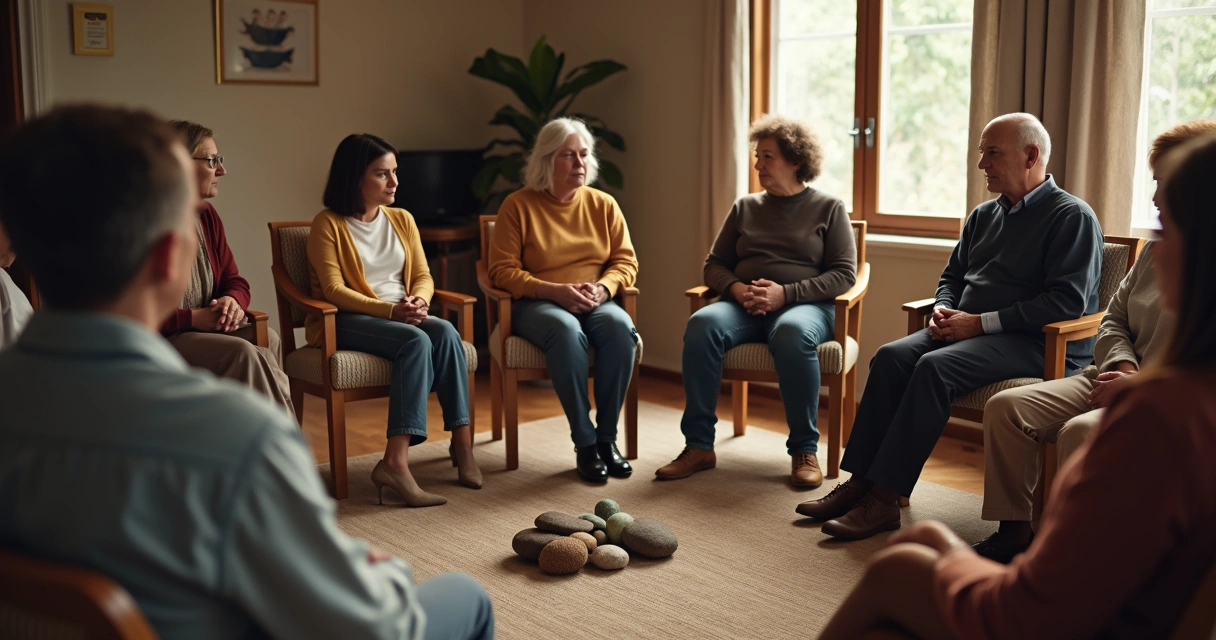
In our view, when constellations are conducted with care, they foster dignity and self-acceptance. We have witnessed profound healing but also recognize that emotional safety is non-negotiable.
Practical guidance for after constellation work
After a session, people can feel light, peaceful, or sometimes stirred up. Integration takes time.
- It can help to journal about what felt meaningful.
- Gentle walks, spending time in nature, or quiet reflection can support grounding.
- If intense feelings linger, connecting with a trusted support—friend, therapist, or facilitator—can make a difference.
We encourage participants to honor their individuality. Healing is not linear. Something may shift today; other parts might unfold over months.
Who might benefit and who should take extra care?
Constellations can help people who feel stuck in repeating life patterns, relationship conflict, or unexplainable heaviness. Yet, some situations ask for extra caution:
- People in acute crisis or with severe dissociation should work closely with a mental health professional familiar with trauma.
- Anyone taking psychiatric medication or with a complex diagnosis needs integrated support.
- Those with rigid expectations about outcomes may find the process unpredictable.
We view constellations as one approach among many for healing—and always as something that should fit into a broader context of self-care and, if appropriate, professional guidance.
Conclusion
Addressing inherited trauma through constellations is a path toward deeper awareness and connection. We believe that safety, respect, and clarity are the heart of effective constellation work with trauma. By preparing mindfully, choosing trustworthy facilitators, and engaging with kindness toward yourself, you help create the conditions for meaningful change—not just for yourself, but for generations that follow.
Frequently asked questions
What is inherited trauma in constellations?
Inherited trauma refers to emotional wounds, losses, or unresolved events in previous generations that continue to affect current family members. In constellations, these patterns can show up as recurring problems, feelings, or relational difficulties that seem to have no personal cause.
How can constellations help with trauma?
Constellations create a safe space to see hidden family dynamics. By representing issues outside oneself, constellations make it possible to identify inherited patterns and emotional blocks. This new awareness opens the door for healing, reconciliation, and healthier ways of relating.
Is it safe to try family constellations?
Yes, when conducted by a sensitive and trained facilitator, family constellations can be a safe environment. It is important that you feel comfortable, understand the process, and know that you can stop at any point. If there are severe mental health concerns, it is wise to consult with a professional before beginning.
How do I find a good facilitator?
Look for facilitators with relevant training, experience, and ethical standards. Listening to their approach, reading testimonials, and paying attention to how they discuss safety and confidentiality can help. Your trust and comfort are the best guides.
What should I expect in a session?
In a session, you can expect to briefly state your issue, then see representatives (people or objects) stand in for key elements of your story. The facilitator guides observation and simple interventions. The focus is on awareness and resolution, not acting out or dramatic storytelling. Afterward, there is time to share, reflect, and return to daily life with new perspective.