


Hybrid work gave many teams more freedom. It also brought a new kind of strain. People are spread across homes, offices, time zones, and routines. Some feel left out. Some feel watched. Some feel tired in a way they cannot name. Soon, that tension stops being individual and becomes shared.
Collective anxiety in hybrid teams is the emotional pressure that spreads through a group when uncertainty, disconnection, and overload are left unchecked.
We have seen this happen in quiet ways. A team that once spoke with ease starts sounding guarded. Meetings become stiff. Messages get shorter. Small issues create big reactions. No one says, “We are anxious.” Still, the room feels heavy, even through a screen.
Managing that kind of anxiety is not about forcing calm. It is about creating clarity, rhythm, trust, and space for real human response.
Why hybrid teams absorb anxiety so fast
In a shared office, tension is easier to notice. We can see body language, overhear concern, and sense shifts in tone. In hybrid work, many of those signals disappear or arrive late. This creates gaps. And people fill gaps with stories.
When information is uneven, people imagine the worst. When some are in the office and others are remote, people compare access. When expectations are unclear, people stay mentally “on” for too long. That drains emotional balance.
We think collective anxiety in hybrid teams often grows from a mix of factors:
- Unclear priorities
- Uneven access to leaders
- Too many channels and notifications
- Fear of being invisible while remote
- Weak team rituals and poor emotional check-ins
Each factor may look small alone. Together, they shape the emotional climate of the team.
Silence also sends a message.
How collective anxiety shows up in daily work
Not every anxious team looks chaotic. Some look highly polite. Some look very busy. Some even look successful from the outside. That is why we need to read patterns, not only incidents.
Here are common signs we watch for:
- More misunderstandings in chats and emails
- People asking for reassurance again and again
- Low participation in meetings
- Delayed decisions because no one wants to be wrong
- Defensive reactions to simple feedback
- Emotional fatigue after routine interactions
An anxious team often becomes hyper-alert, not more connected.
We once observed a team that kept adding meetings to “stay aligned.” At first, it seemed like care. After a few weeks, people felt more tense, not less. The real issue was not lack of meetings. It was lack of trust in what would happen between meetings.
Start with emotional clarity, not control
Many managers respond to team anxiety by increasing oversight. They ask for more updates, more status reports, more check-ins. This can backfire. When people already feel insecure, extra control may feel like doubt.
A better first move is emotional clarity. We mean naming what is happening without drama and without blame. A leader can say, “We have had a tense few weeks. I think uncertainty is affecting how we work. Let us slow down and reset our way of communicating.”
That kind of language reduces hidden pressure. It gives the team permission to stop pretending.
To begin that reset, we suggest three actions in sequence:
- Notice the emotional pattern in the group.
- Name the pattern in simple and calm words.
- Agree on one or two changes the team will test.
This keeps the response grounded. It also avoids turning every emotional issue into a long process.

Build rhythms that calm the group
Anxiety grows in disorder. Healthy rhythm lowers guesswork. In hybrid teams, this matters a lot because people cannot rely on casual office contact to stay oriented.
We recommend building simple team rhythms that answer basic questions before they turn into stress. People need to know where to ask, when to update, and how decisions move.
Useful rhythms often include:
- A weekly priorities message shared with the whole team
- A short meeting with a clear agenda and clear ending
- A response-time norm for different channels
- A repeated space for concerns, not only task updates
- A visible record of decisions and next steps
These structures are not rigid. They are stabilizing. They reduce the emotional cost of uncertainty.
Predictable communication lowers group anxiety because people spend less energy guessing.
Support connection without forcing exposure
When leaders notice disconnection, they sometimes push for more social interaction. That can help, but only if it feels safe. Not everyone wants a personal sharing circle after a draining week.
Connection works better when it is light, respectful, and consistent. A simple opening round in meetings can be enough. A question like “What is taking most of your attention this week?” invites honesty without pressure.
We also think managers should make room for private channels of support. Some people will speak in a group. Others will only open up one to one. If both paths exist, the team feels more held.
There is a balance here. We should not ask people to perform vulnerability. We should give them room to be human.
Train managers to regulate before they respond
Teams often borrow the emotional tone of leadership. If a manager is reactive, vague, or visibly overloaded, that state spreads. If a manager is steady, direct, and present, that also spreads.
This does not mean leaders must hide their own strain. It means they need enough self-awareness to respond instead of discharge. A tense message sent too fast can unsettle a whole team for hours.
We encourage managers to pause before hard conversations and ask:
- What facts do we know?
- What fear may the team be carrying?
- What is the clearest next step?
Short pauses matter. So does tone. A calm sentence can reduce more anxiety than a long explanation.
Calm is contagious too.
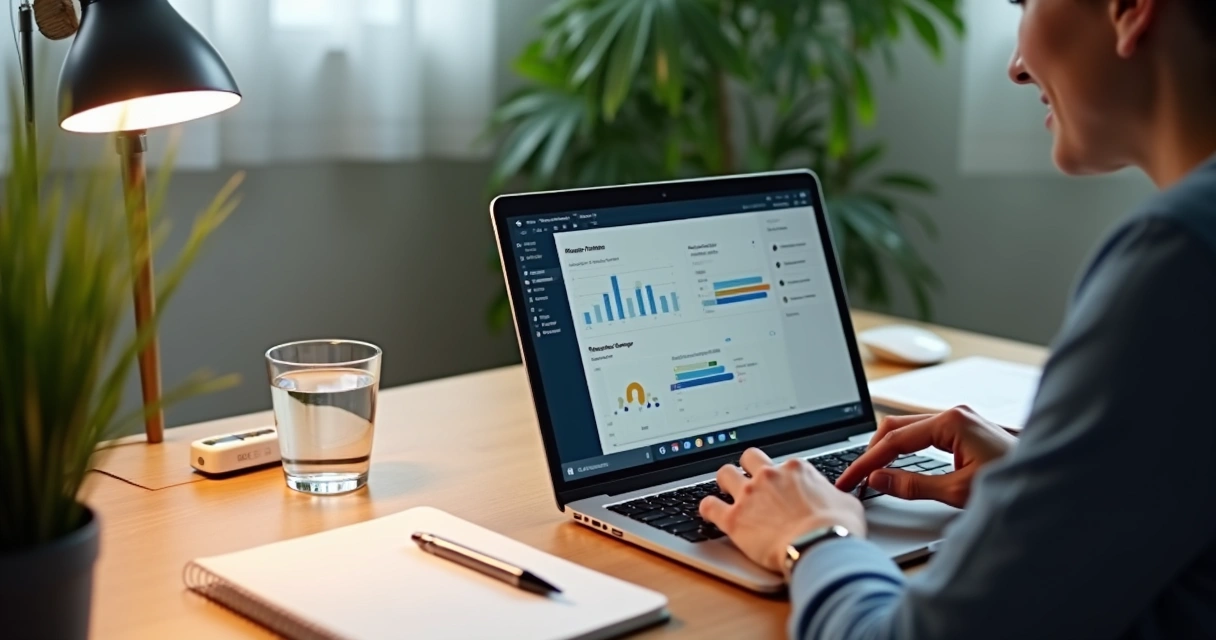
Reduce hidden inequality in the hybrid setup
Collective anxiety rises when people feel the system is uneven. In hybrid work, this often happens between those who are seen in person and those who are seen through a screen.
If office-based staff get faster answers, more spontaneous access, or more recognition, remote workers notice. They may not complain. Still, the emotional effect builds.
We can reduce this by making inclusion visible in everyday practice. For example, decisions should not happen only in hallway talks. Meeting participation should not depend on who is in the room. Updates should reach everyone at the same time.
Small corrections create real relief. Fairness is emotional safety in action.
Conclusion
Collective anxiety in hybrid teams is not a side issue. It shapes attention, trust, and the quality of work people do together. We do not manage it by pretending everyone should simply cope better. We manage it by building conditions that help people feel clear, included, and steady.
When leaders notice patterns early, speak plainly, and create stable rhythms, the whole team breathes differently. That shift may look subtle at first. A meeting feels lighter. A message sounds less guarded. People ask clearer questions. This is how group health returns, one interaction at a time.
Hybrid teams become stronger when emotional safety is treated as part of how work gets done.
Frequently asked questions
What is collective anxiety in hybrid teams?
Collective anxiety in hybrid teams is the shared stress that builds when team members face uncertainty, mixed communication, uneven access, or ongoing overload. It is not only one person feeling anxious. It is a group pattern that affects tone, trust, and collaboration.
How can managers reduce team anxiety?
Managers can reduce team anxiety by giving clear priorities, setting steady communication rhythms, naming tension early, and creating safe ways for people to raise concerns. Calm and direct leadership helps people feel more secure in changing conditions.
What are signs of collective anxiety?
Signs include repeated reassurance seeking, low meeting participation, tense written messages, delayed decisions, rising misunderstandings, and emotional fatigue after normal work exchanges. Teams may also become overly cautious or unusually reactive.
How to support anxious remote employees?
We can support anxious remote employees by checking in regularly, clarifying expectations, avoiding constant monitoring, and making sure they have equal access to information and visibility. Private conversations also help when someone does not want to speak in a group.
What tools help track team well-being?
Helpful tools include anonymous pulse surveys, short weekly check-ins, workload dashboards, shared meeting notes, and one-to-one conversations tracked for themes instead of private details. The best tools are simple and used with care, not as another form of pressure.